Wildlife does not move into a home or business for no reason. Something brought it there. At Suburban Wildlife Solutions, I inspect the property to identify the species, find out how it got inside, and understand what made the building attractive in the first place. The solution may involve humane wildlife removal, exclusion work, damage repair, or preventive improvements. Whatever the situation calls for, the goal is to solve the current problem while making the property less inviting to wildlife in the future.
Before I founded Suburban Wildlife Solutions, much of my time was spent studying wildlife where it lives. That work stretched across central Connecticut and involved nearly 25 years of field research, including wildlife tracking, habitat studies, radio telemetry, disease testing, den site research, and animal behavior analysis. Those years changed how I look at wildlife problems today. Research taught me that animals do not simply appear inside a building. There is always a reason. A sound in the attic, a torn soffit, squirrels returning to the same roofline, or bats showing up season after season are not separate clues. They are parts of the same story. My role is to put those pieces together before I recommend any work. That investigative mindset still guides every inspection I perform.
To be the top choice for wildlife control, using advanced technology and humane, eco-friendly methods.
To deliver efficient, sustainable wildlife control services with a focus on customer satisfaction and safety.
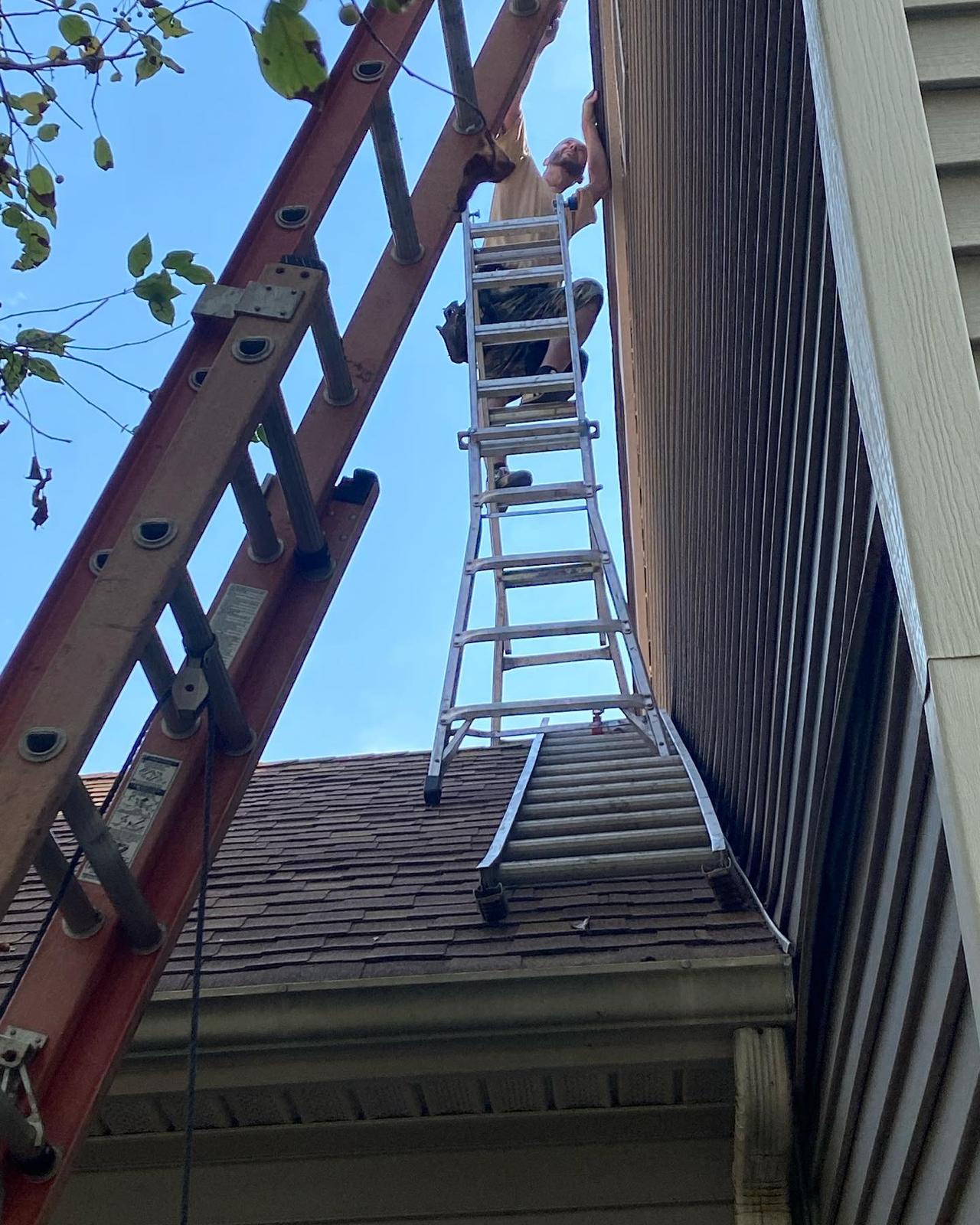
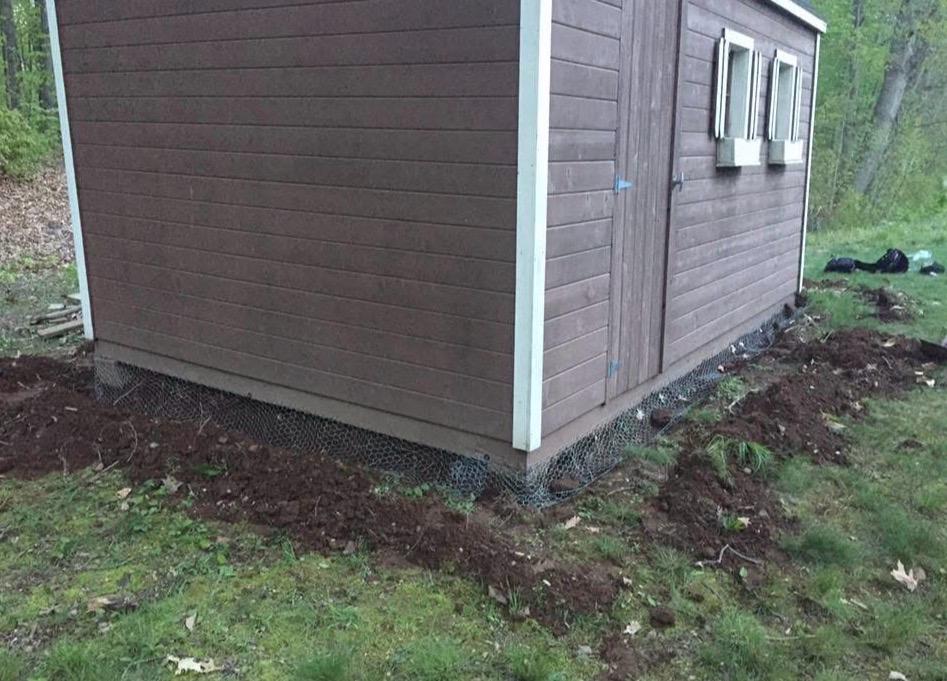
Animals rarely enter a building by chance. They are usually searching for shelter, warmth, food, or a protected place to raise their young. A loose soffit may be enough. So can a damaged roof vent, an open chimney, a foundation gap, or a worn section of the exterior. Many of these openings are easy to miss from the ground. Most property owners do not spot them until they hear movement or find visible damage. Getting the animal out only addresses part of the problem. I also look at how it entered, what allowed it to remain there, and what should be changed once it is gone. That is what separates a temporary response from a more lasting solution. That is how I approach every inspection.
Bats are protected wildlife, so exclusion work must be handled carefully and humanely. I locate the areas they are using, install exclusion devices when appropriate, and secure the structure after the colony has safely left.
Wildlife can leave behind torn insulation, contaminated spaces, chewed materials, and damaged entry areas. Once the animals are gone, I repair the affected parts of the structure and address openings that could allow wildlife back inside.
Birds often nest inside vents, beneath roofing materials, behind signs, or within commercial structures. These nesting areas can create sanitation concerns and ongoing damage. I removed the problem while also addressing the conditions that made the location suitable for nesting.
Some pest activity begins inside the building rather than outdoors. Insects and other pests may be drawn to excess moisture, structural openings, or conditions left behind by wildlife. I identify those contributing factors and provide a practical control plan.
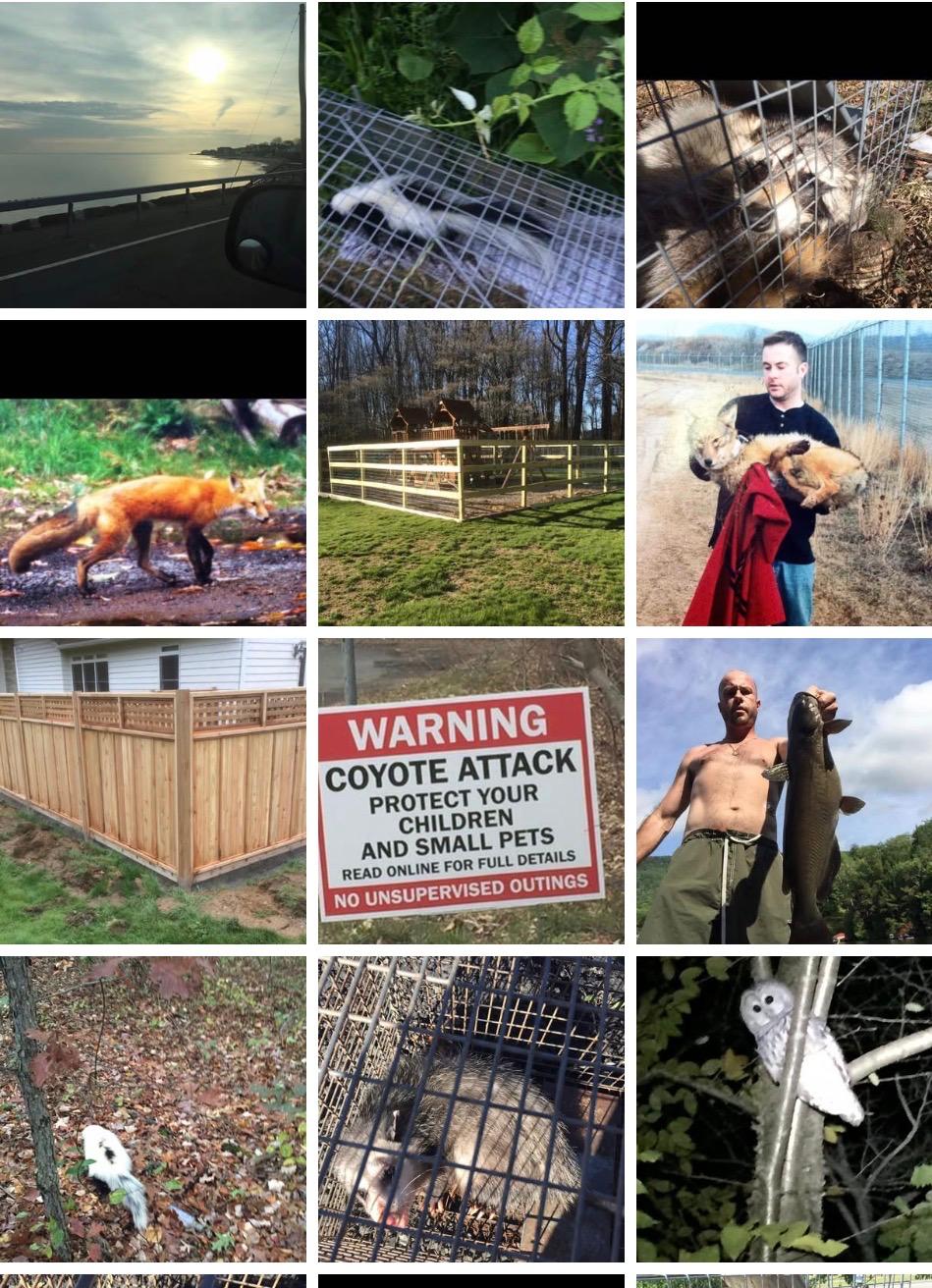
Raccoons, squirrels, skunks, opossums, and other nuisance animals do not behave the same way. Their nesting habits, movement patterns, and responses to a property vary. Understanding those differences helps me choose a suitable solution instead of applying the same method to every species.
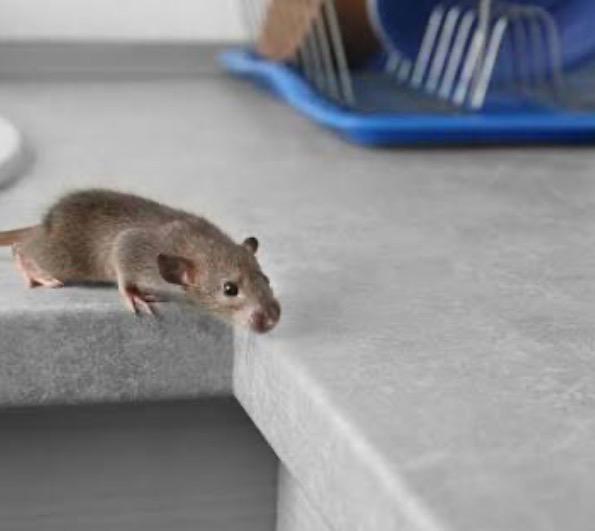
Mice and rats can squeeze through openings that are easy to overlook. Effective exclusion starts with finding those gaps, sealing them with suitable materials, and correcting conditions that may be encouraging continued rodent activity.
Hiring someone for a wildlife problem is about more than getting an animal out of the building. You need to know that the cause of the problem has been understood, not guessed at. Here is what you can expect when you work with me.
I base each recommendation on what I find during the inspection. Evidence comes first. Assumptions do not.
Every property is different. I consider the building’s construction, the surrounding habitat, the entry areas, and the species involved before recommending a solution.
When the situation and the law allow it, I use exclusion and wildlife management methods that resolve the conflict responsibly.
Before work starts, I explain what I found, how the problem likely developed, and which options make sense for the property.
Removing an animal without closing its access points often leads to the same problem again. I look beyond the immediate activity and focus on reducing the chance of that cycle continuing.
Wildlife belongs outside. Once an animal gets into an attic, wall, chimney, crawl space, or commercial building, though, the situation can become stressful fast. You may hear movement after dark. You might notice damaged insulation, nesting material, unpleasant odors, or new damage around the exterior. By the time these signs become obvious, the animal may have already settled in. Whether the problem involves bats, rodents, nuisance wildlife, birds, or the damage they leave behind, I follow the same basic goal: understand why it happened, resolve it properly, and reduce the chance of another animal using the same access point. Schedule an inspection, and let’s work out the right solution for your property.
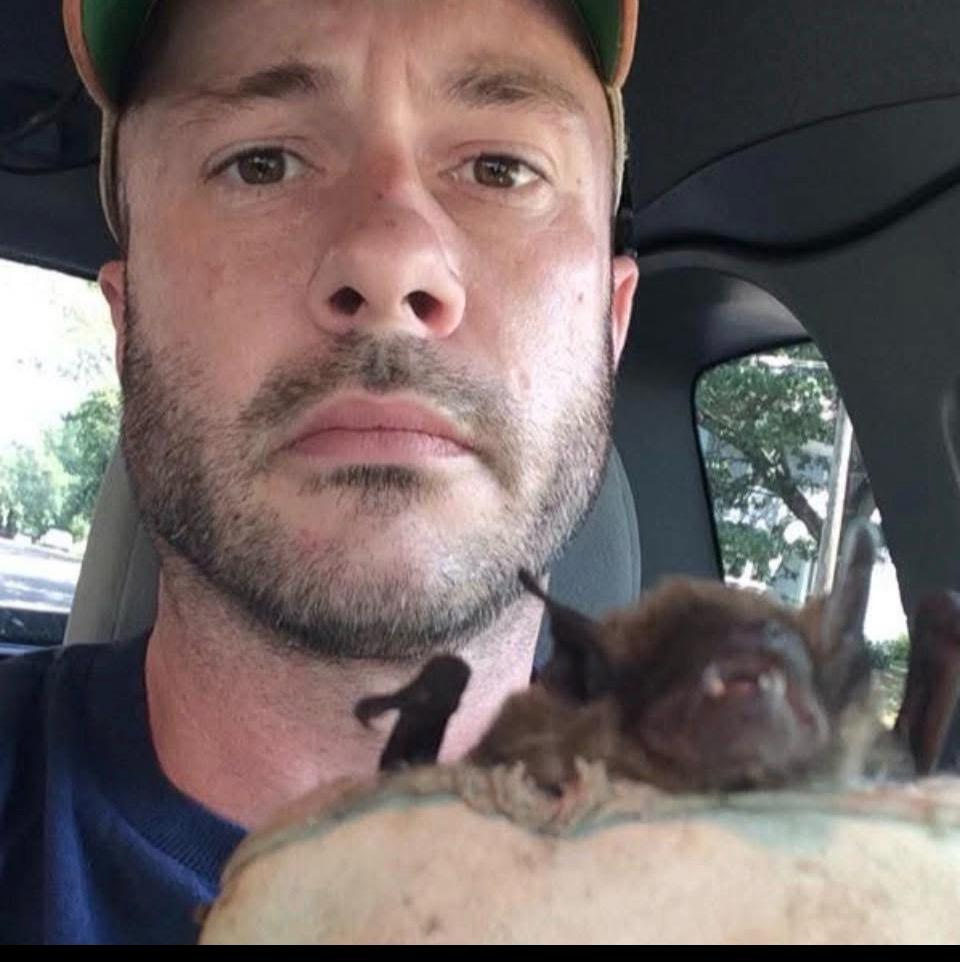
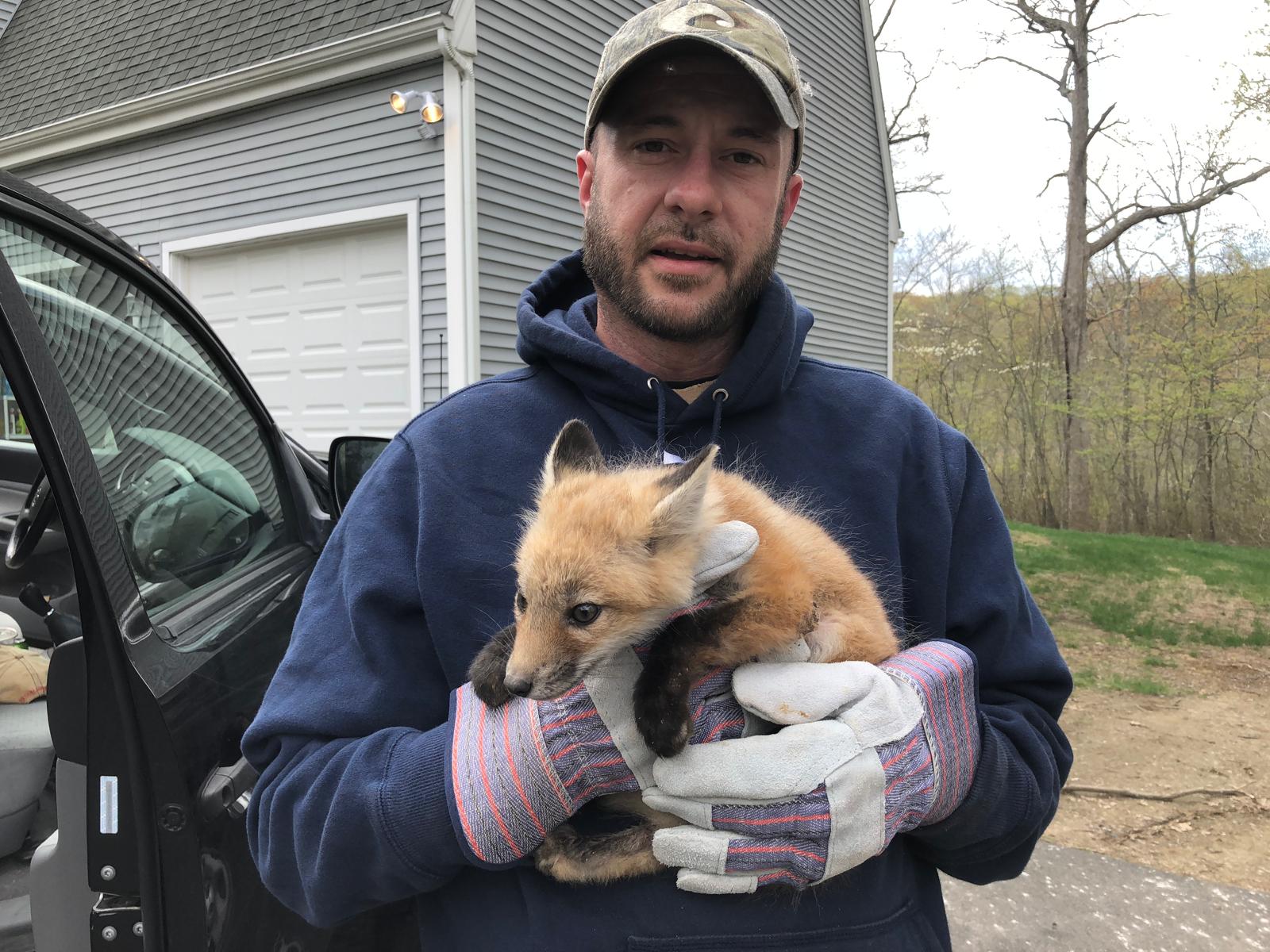
Trust should come from education, experience, and an honest explanation of the work. Suburban Wildlife Solutions was built on decades of studying and working with wildlife, not simply removing animals from buildings.
Thomas Pepe has:
1: Bachelor of Science from Southern Connecticut State University
2: Master of Science from Southern Connecticut State University
3: Graduate Research Fellowship
4: Authored the graduate thesis Ecology of Coyotes in Connecticut
5: Conducted nearly five years of wildlife field research throughout Connecticut
6: Been featured in Connecticut newspapers for wildlife research and public education
7: Worked in wildlife education and environmental conservation
8: Built a business centered on practical wildlife management backed by scientific understanding
Every wildlife situation starts with understanding what is happening.
I inspect the building, identify the wildlife involved, locate possible entry points, and check for visible damage or conditions connected to the activity.
I walk you through what I found, why the activity may be occurring, and which solutions are appropriate for the situation.
The work may involve removal, exclusion, repairs, or preventive measures. Whatever the plan includes,
Where possible, I recommend repairs or exclusion improvements that make it harder for wildlife to use the same openings again.
Connecticut provides suitable habitat for a wide range of wildlife. Mature trees, wooded neighborhoods, wetlands, older homes, and continued suburban development often place people and animals close to one another.
Suburban Wildlife Solutions helps homeowners and businesses across Connecticut manage these conflicts by looking at both the building and the environment around it.
Wildlife behavior also changes throughout the year. A property that attracts one species during colder months may draw another during nesting or breeding season. For that reason, my inspections and recommendations are based on the conditions I find at the time, not on a general assumption.
Wildlife problems are rarely solved by removing an animal and leaving everything else unchanged. Every structure has its own weak points, and each species responds differently to shelter, food, weather, and seasonal conditions. You may be hearing noises above the ceiling. You may have found droppings, nesting material, exterior damage, or another sign that an animal is using the property. The first step is finding out exactly what is happening. Contact Suburban Wildlife Solutions to schedule an inspection and begin protecting your home or business with a practical solution grounded in wildlife science.